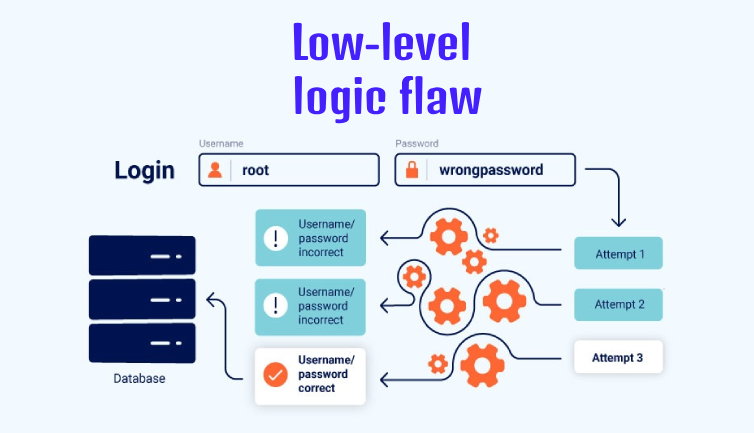
Low-level Logic Flaw - PortSwigger
Exploiting a 32-bit integer overflow in a shopping cart calculation to manipulate the final purchase price and bypass store credit restrictions.
Exploiting a 32-bit integer overflow in a shopping cart calculation to manipulate the final purchase price and bypass store credit restrictions.
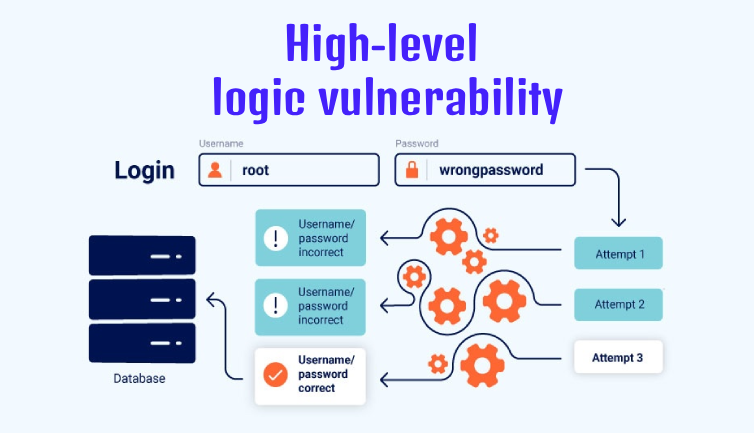
Exploiting improper quantity validation in a shopping cart by submitting negative product quantities to manipulate the order total and purchase an expensive item for an unintended price.
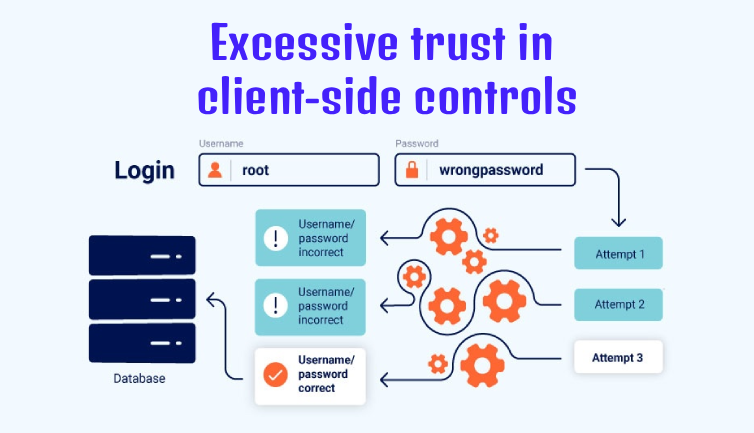
A PortSwigger business logic lab demonstrating how trusting client-controlled product prices can allow attackers to purchase items for an unintended amount.
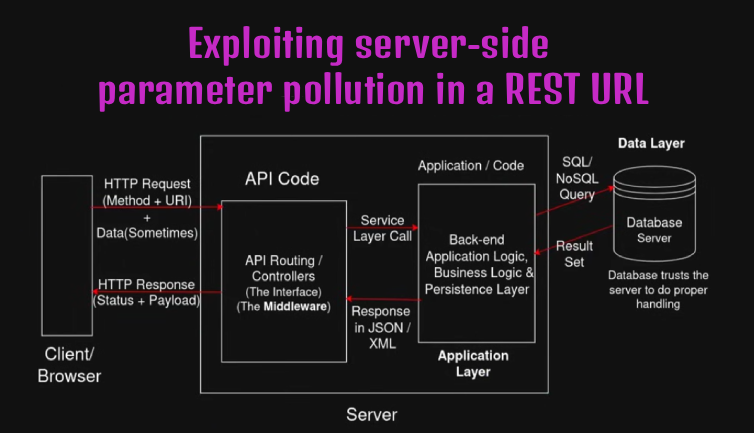
A practical walkthrough of exploiting server-side parameter pollution in a REST API to discover internal endpoints, retrieve an administrator's password reset token, and gain administrative access.
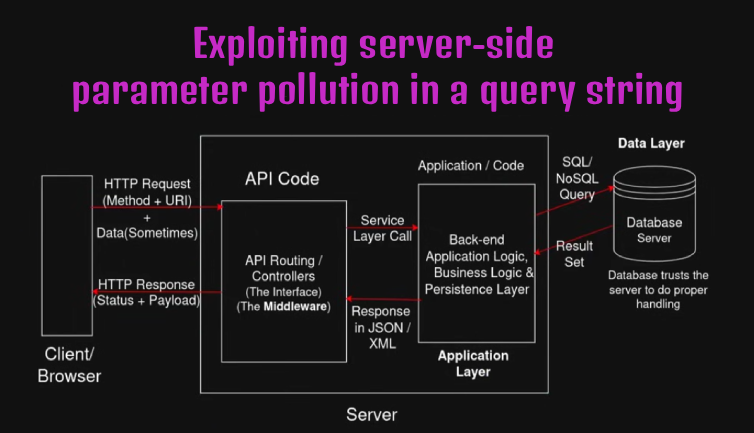
Discover how server-side parameter pollution can expose hidden API parameters and password reset tokens through carefully crafted HTTP requests.
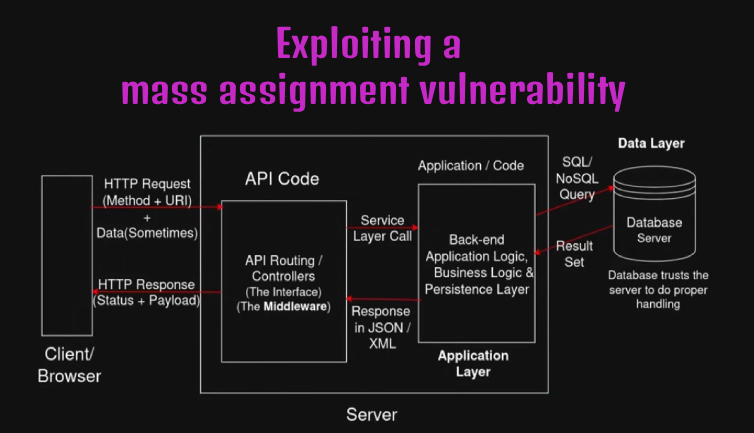
Exploiting a mass assignment vulnerability by modifying an undocumented discount property in a checkout API request.
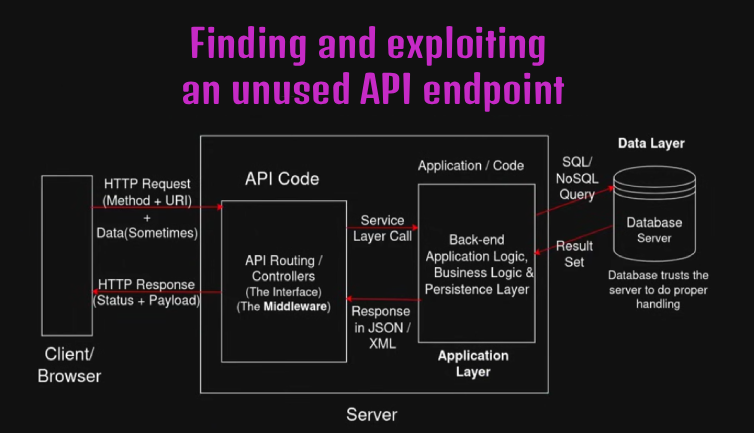
Discovering and exploiting an undocumented API endpoint to modify product prices through improper access control.
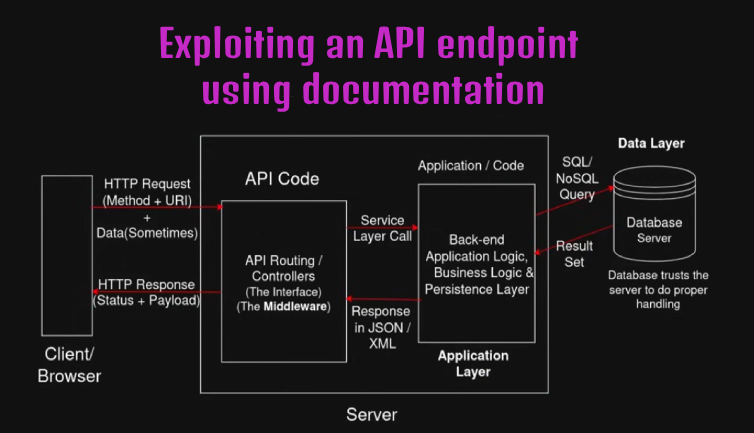
Learn how exposed API documentation can reveal hidden endpoints and HTTP methods, allowing an attacker to exploit broken access control and delete another user's account.
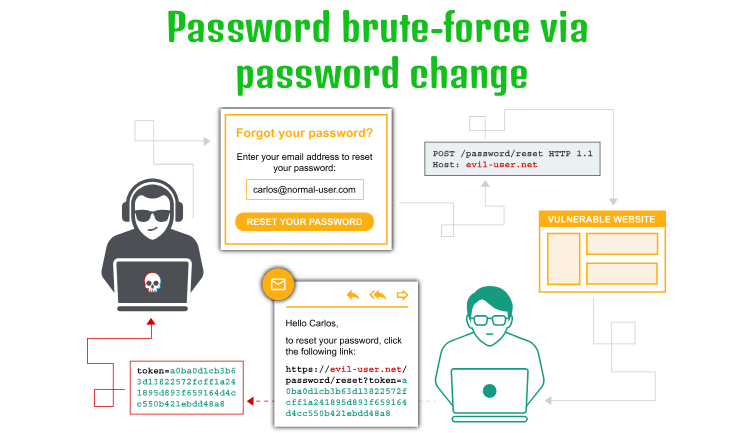
Learn how inconsistent password-change validation can expose an authentication weakness and allow attackers to brute-force a user's current password.
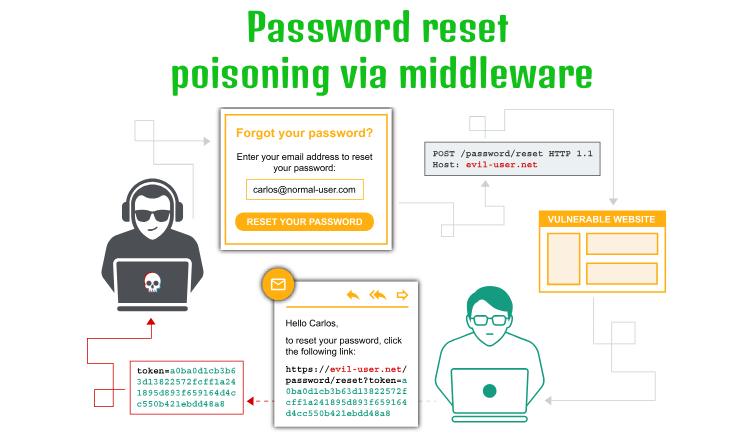
Exploit password reset poisoning by manipulating the X-Forwarded-Host header to capture a victim's password-reset token and take over their account.