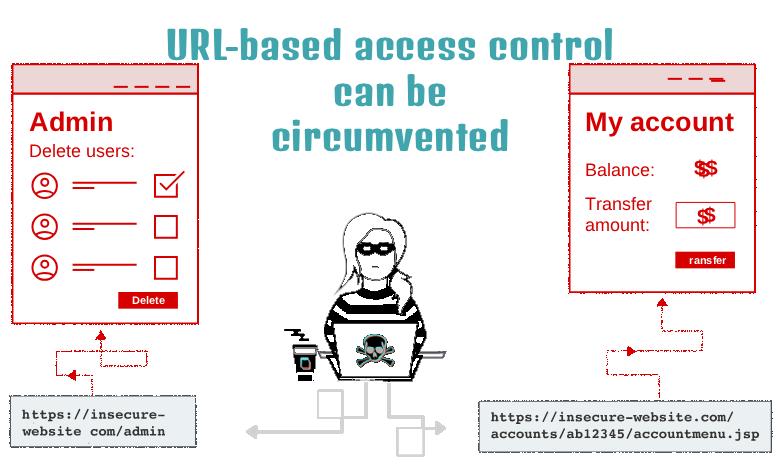
URL-based access control can be circumvented - PortSwigger
Exploring how inconsistent URL handling between a reverse proxy and a backend server can bypass access controls and expose an administrative interface.
Exploring how inconsistent URL handling between a reverse proxy and a backend server can bypass access controls and expose an administrative interface.
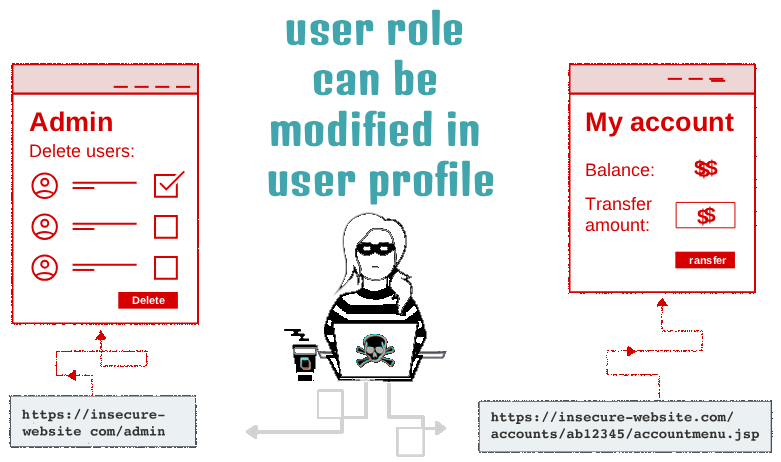
Exploring an access control vulnerability that allows a user to modify their role through an email update request and gain unauthorized administrative access.
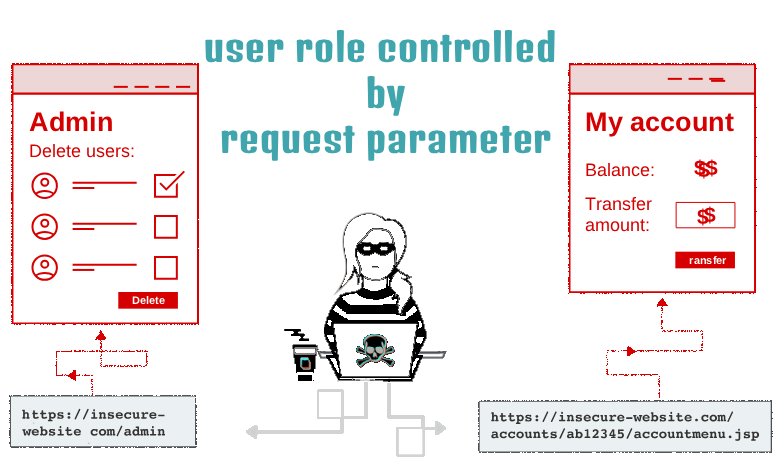
A PortSwigger access control lab demonstrating how modifying a client-controlled cookie can grant unauthorized access to administrative functionality.
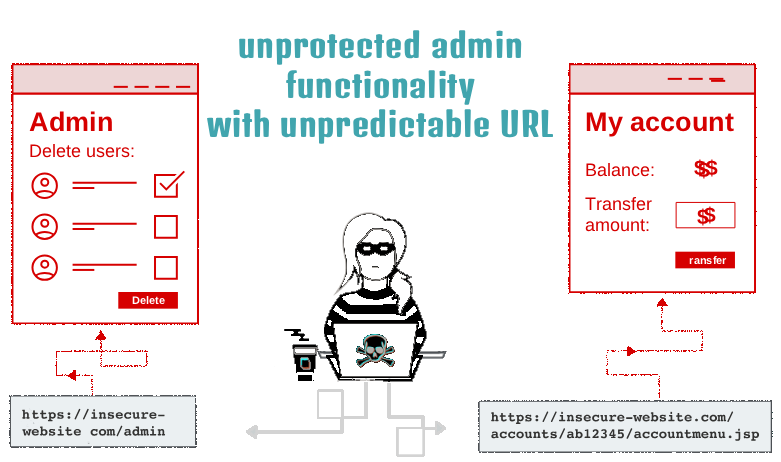
Discovering an unprotected administrative endpoint in JavaScript source code and accessing privileged functionality without proper authorization.
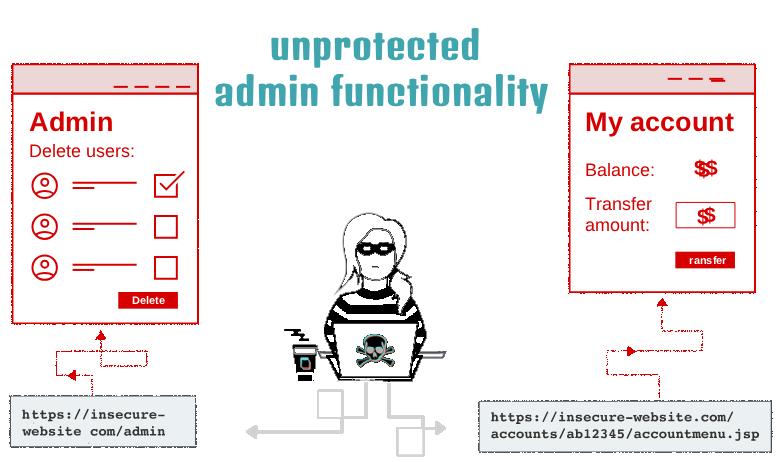
Discovering an unprotected administrative endpoint through robots.txt and exploiting missing access controls using direct URL access.
Using Burp Suite and Git history analysis to discover an exposed .git directory and recover an administrator password from an earlier commit.
Using the HTTP TRACE method to identify a trusted IP authorization header, bypass an IP-based access control mechanism, and access the admin panel with Burp Suite.
Using Burp Suite's content discovery to locate a backup source code file and retrieve a hard-coded database password.
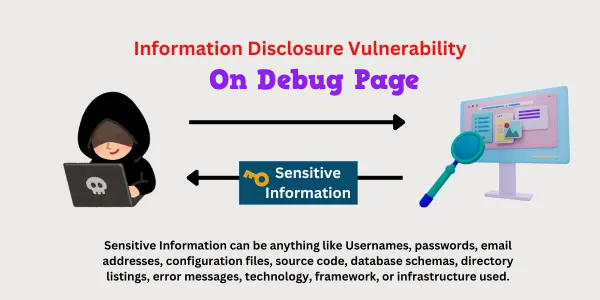
Discovering an exposed PHP debug page using Burp Suite and retrieving a sensitive SECRET_KEY environment variable.
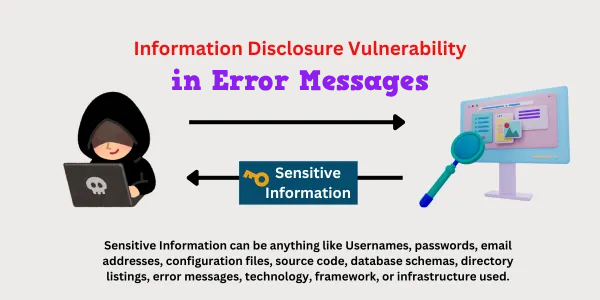
Exploring how malformed input can trigger verbose error messages and disclose backend technology information, including the framework and version used by the application.